Safe & Precise Wart Removal by Dermatology Experts
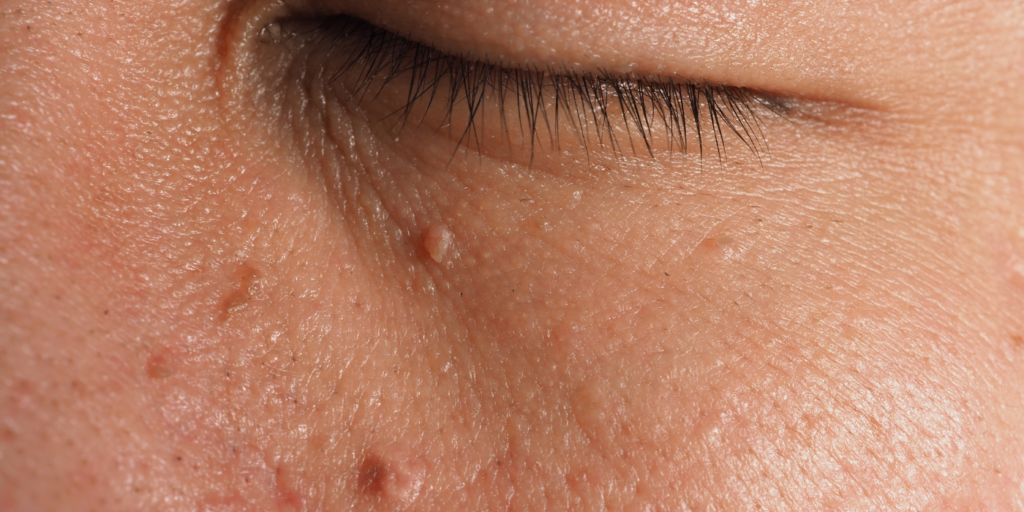
Tired of Warts That Keep Coming Back?
What We Offer
Personalized Wart Removal Care at Skin Sculpt
At Skin Sculpt, wart removal starts with a proper skin examination. The dermatologist checks the type, size, number, location, and depth of the wart before deciding the right removal method.
Depending on the condition, treatment may include advanced dermatology procedures such as cautery, radiofrequency, cryotherapy, or other suitable removal techniques. Skin Sculpt offers quick and safe removal of benign skin growths like warts, skin tags, and DPN using advanced techniques.
What Professional Wart Removal Treatment Can Help With
Professional wart removal helps treat warts safely instead of damaging the skin through self-removal or harsh home remedies
It can help with:
- Removing visible warts
- Reducing discomfort or pain
- Preventing further irritation
- Managing recurring warts
- Reducing the risk of spreading
- Protecting surrounding healthy skin
- Improving cosmetic appearance
- Avoiding unsafe self-treatment
- Ensuring proper aftercare guidance
- Supporting faster healing
FAQs
Frequently Asked Questions
Most warts are harmless, but they can spread, become painful, or cause cosmetic discomfort. It is better to consult a dermatologist for proper diagnosis and treatment.
Yes. Warts can spread through scratching, touching, shaving, or direct contact with affected skin. Proper treatment helps reduce the risk of spreading.
Wart removal may cause mild discomfort depending on the size, location, and method used. The dermatologist may take steps to make the procedure more comfortable.
Yes, warts can sometimes recur because they are linked to a viral infection. Follow-up care and proper aftercare help reduce recurrence risk.