Keloid Treatment for Raised, Thick & Overgrown Scars
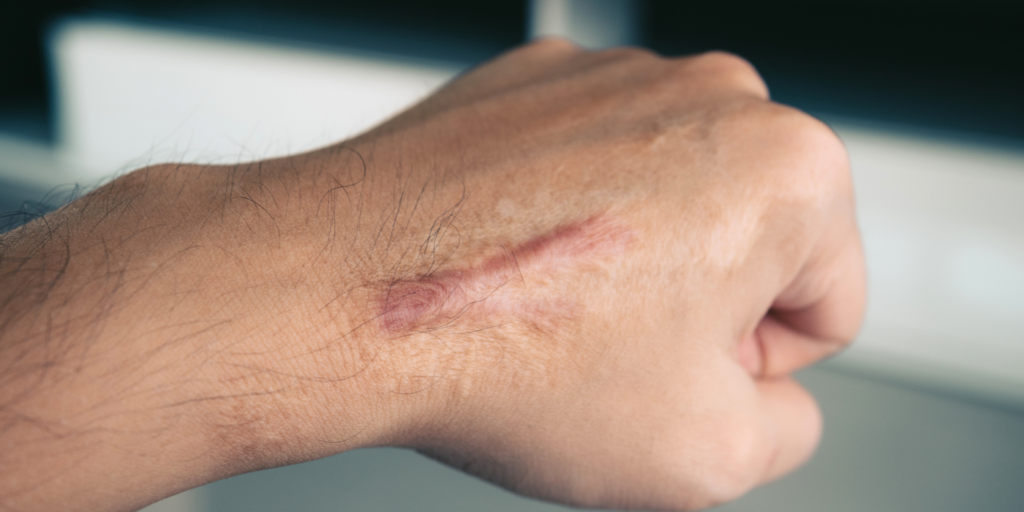
Tired of Keloids That Keep Coming Back?
What We Offer
Personalized Keloid Care at Skin Sculpt
At Skin Sculpt, keloid treatment is not a one-size-fits-all approach. Every keloid is different in size, thickness, location, age, cause, and recurrence tendency. That is why treatment starts with a detailed scar evaluation.
The dermatologist will examine the keloid, understand how it started, check whether it is growing, assess symptoms like itching or pain, and discuss any previous treatments or removals.
What Professional Keloid Treatment Can Help With
Professional keloid care helps manage raised scars safely and reduces the risk of worsening caused by improper treatment or repeated trauma.
It can help with:
- Reducing raised scar thickness
- Flattening keloid appearance
- Reducing itching and discomfort
- Managing painful or tender scars
- Improving scar texture
- Reducing redness or irritation
- Controlling further scar growth
- Managing recurring keloids
- Improving cosmetic appearance
- Planning safe follow-up care
FAQs
Frequently Asked Questions
Keloids occur when the skin produces excess scar tissue after an injury, acne, piercing, burn, surgery, or minor skin trauma. Some people are more prone to keloids due to skin type, genetics, or previous scar history.
Usually, keloids do not disappear completely on their own. They may remain the same, grow slowly, or become symptomatic. Dermatologist-guided treatment can help reduce their size, thickness, and discomfort.
Yes, keloids can recur, especially if they are removed without proper planning or follow-up. A combined treatment approach and aftercare can help reduce recurrence risk.
Most keloid treatments are manageable. Some procedures or injections may cause mild discomfort, but the dermatologist will guide you based on the size, location, and sensitivity of the keloid.