Pigmentation & Uneven Tone Treatment for Clearer, Brighter-Looking Skin
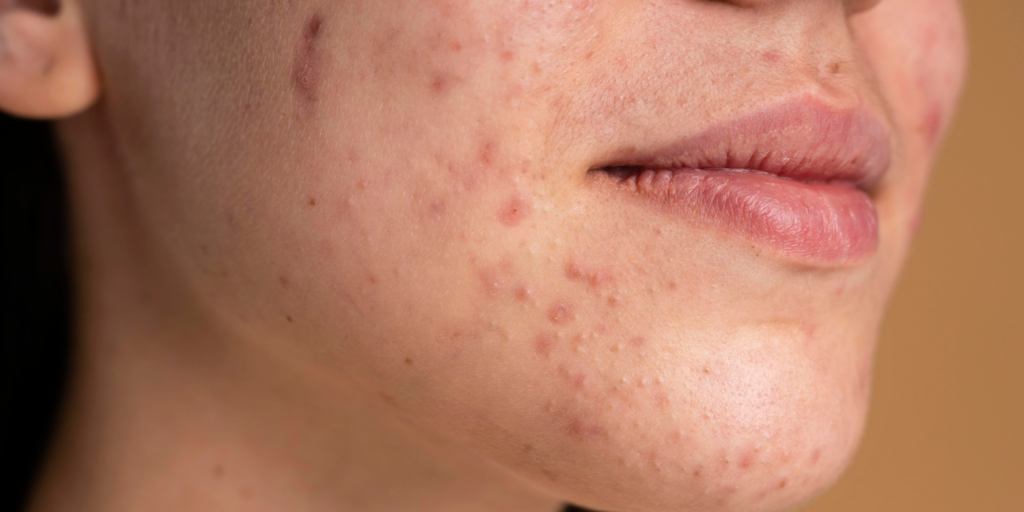
Tired of Pigmentation That Keeps Coming Back?
What We Offer
Personalized Pigmentation & Tone Care at Skin Sculpt
At Skin Sculpt, pigmentation treatment is not a one-size-fits-all approach. Every pigmentation concern is different. Some pigmentation is surface-level, while some may be deeper and need longer care.
Your dermatologist will examine your skin, understand your history, assess possible triggers, and suggest a treatment plan based on your skin type and pigmentation pattern.
Treatment may include dermatologist-prescribed creams, sunscreen guidance, skin-brightening routines, chemical peels, laser or light-based treatments where suitable, post-acne mark treatment, and maintenance care to reduce recurrence.
What Professional Pigmentation Treatment Can Help With
Professional pigmentation care helps treat dark spots safely and reduces the risk of damage caused by harsh products, steroid creams, or unplanned skin-lightening treatments.
It can help with:
- Reducing dark spots
- Improving uneven skin tone
- Managing melasma
- Reducing post-acne marks
- Improving tanning and dullness
- Supporting brighter-looking skin
- Preventing pigmentation from worsening
- Building a safe skincare routine
- Improving skin texture and clarity
- Maintaining long-term skin health
FAQs
Frequently Asked Questions
Pigmentation can be caused by sun exposure, hormonal changes, acne marks, inflammation, tanning, ageing, pregnancy, certain medicines, or unsuitable skincare products.
It depends on the type, depth, and cause of pigmentation. Some spots improve faster, while conditions like melasma may need long-term maintenance and sun protection.
Yes, pigmentation treatment is safe when planned by a qualified dermatologist after examining your skin type and pigmentation pattern. Avoid using random fairness creams or steroid-based products.
Results vary from person to person. Mild pigmentation may improve faster, while deeper or recurring pigmentation may need consistent treatment, sunscreen use, and follow-up care.