Safe & Precise DPN Removal for Clearer, Smoother-Looking Skin
Tired of DPN Spots That Keep Increasing?
What We Offer
Personalized DPN Care at Skin Sculpt
At Skin Sculpt, DPN removal is not treated casually. The dermatologist first examines the spots to confirm whether they are DPN or another type of skin growth. Based on your skin type, number of lesions, area involved, and cosmetic expectations, a personalized removal plan is suggested.
Treatment may include advanced dermatology-based removal techniques such as RF-based DPN removal, electrocautery, or other suitable minor procedures depending on the case.
What Professional DPN Treatment Can Help With
Professional DPN care helps remove unwanted raised spots safely and reduces the risks associated with self-removal or unqualified procedures.
It can help with:
- Removing small dark raised spots
- Improving facial clarity
- Reducing visible skin growths
- Treating DPN on face and neck
- Improving cosmetic appearance
- Avoiding unsafe home removal methods
- Reducing risk of burns or scars
- Protecting surrounding skin
- Providing proper aftercare guidance
- Supporting smoother-looking skin
FAQs
Frequently Asked Questions
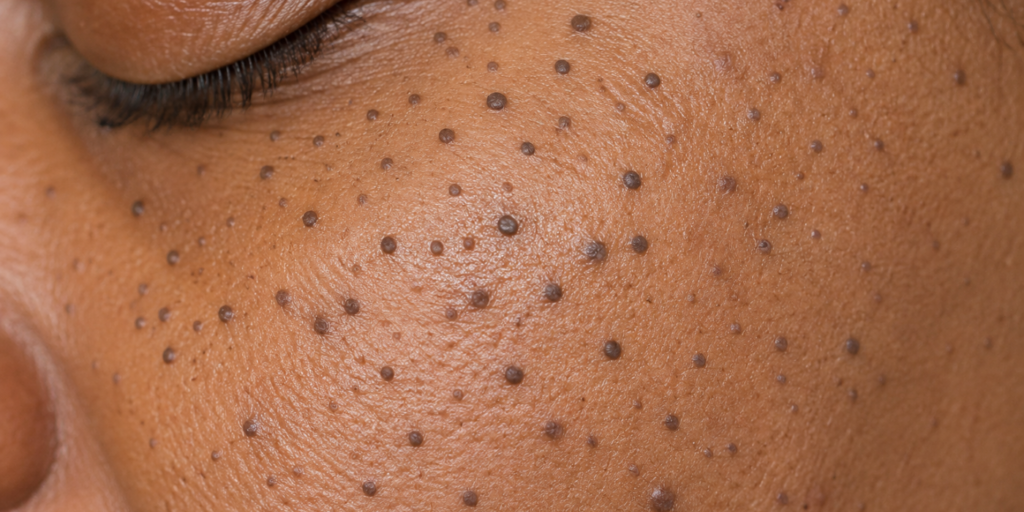
Dermatosis Papulosa Nigra, or DPN, is a common benign skin condition where small dark or brown raised spots appear on areas like the face, cheeks, neck, forehead, or around the eyes.
DPN is usually harmless and non-cancerous. However, many people choose to remove it for cosmetic reasons or when the spots increase in number.
Yes. DPN can be removed safely by a dermatologist using suitable techniques such as RF or electrocautery, depending on the size, number, and location of the spots.
Removed DPN spots usually do not come back in the same place, but new spots may appear over time, especially if you are prone to developing them. Proper skin care and follow-up guidance can help manage the condition.