Scar Revision Treatment for Smoother, More Refined Skin Texture
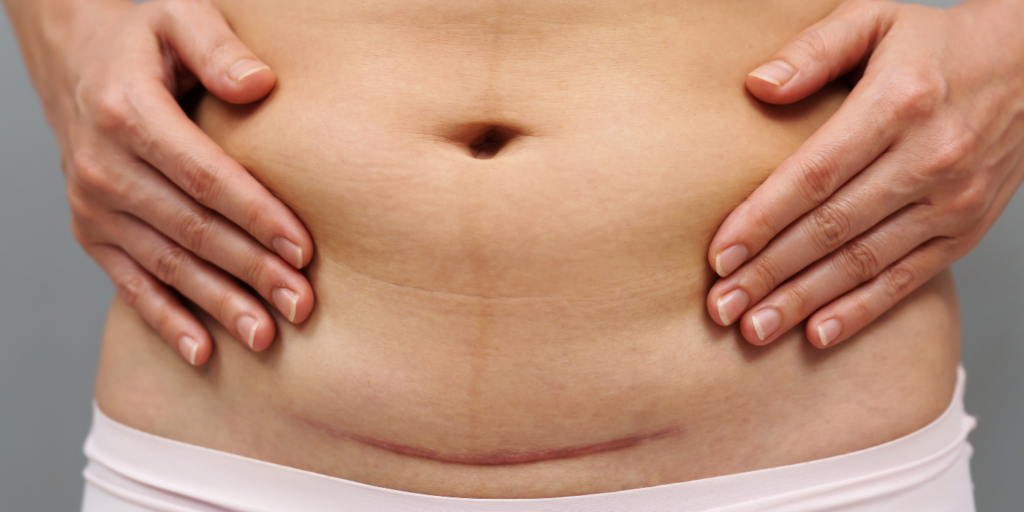
Tired of Scars That Keep Affecting Your Confidence?
What We Offer
Personalized Scar Revision Care at Skin Sculpt
At Skin Sculpt, scar revision is not a single-treatment approach. Different scars need different methods. Some scars may need laser treatment, some may need injections, some may need microneedling-based procedures, and some may need minor surgical correction.
What Professional Scar Revision Treatment Can Help With
Professional scar revision helps improve scars safely and reduces the risk of worsening caused by wrong products, harsh treatments, or unplanned procedures.
It can help with:
- Managing keloids and hypertrophic scars
- Improving skin smoothness
- Supporting collagen remodeling
- Creating a more refined skin surface
- Improving confidence in appearance
- Reducing scar visibility
- Improving uneven skin texture
- Softening raised or thick scars
- Improving acne scar appearance
- Reducing scar-related pigmentation
FAQs
Frequently Asked Questions
Scars usually cannot be erased completely, but their appearance can be improved. The level of improvement depends on the scar type, depth, age, location, and skin healing response.
The best treatment depends on the type of scar. Acne scars, raised scars, keloids, and surgical scars may need different treatment methods such as lasers, MNRF, injections, or minor procedures.
The number of sessions depends on the severity and type of scar. Some scars may need a few sessions, while deeper or older scars may require multiple sittings and follow-up care.
Most scar revision treatments are done with comfort measures such as numbing cream or local anesthesia where required. Mild redness, swelling, or sensitivity may occur after some procedures.